
How to Know Before It Happens
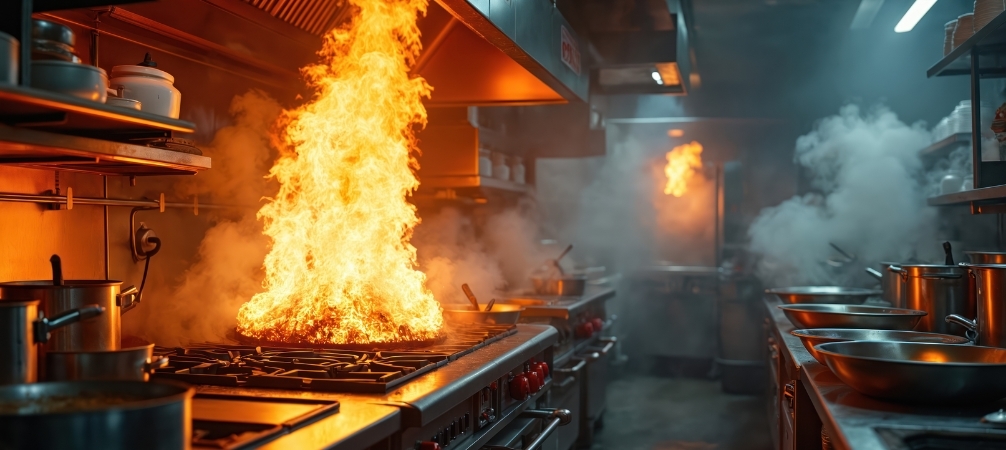
A kitchen fire is one of the most common and most expensive losses a restaurant can face. You may assume that’s what insurance is for. But the reality is more nuanced. Whether your policy truly responds the way you expect depends on how your coverage is structured long before anything ever catches fire.
In this blog, we’ll walk through what to look for now so you’re not surprised by coverage gaps after a kitchen fire.
Why Kitchen Fire Coverage Isn’t Automatic
Restaurant policies are designed to protect you from major losses—but they’re not all built the same. Two restaurants can experience nearly identical fires and end up with very different claim outcomes based on:
- How their property limits were set
- Which endorsements were added (or left out)
- How business interruption coverage was written
- What their leases and vendor contracts require
Understanding these details ahead of time is one of the most important risk management steps you can take.
1. Start with Your Property Coverage
Property coverage is what most owners think of first when they picture a kitchen fire claim.
Things to review in your current policy:
- Building vs. Business Personal Property
- If you own your building, the hood, ductwork, and built‑in equipment may fall under building coverage.
- Tenant-installed improvements, fixtures, and movable equipment often fall under business personal property or tenant improvements and betterments. Make sure the right values are listed for what you actually own.
- Coverage Limits: Ask yourself: “If I had to replace my kitchen line today—equipment, finishes, and contents—would my limits be enough?” Underinsurance is a common reason owners don’t get the outcome they expected after a fire.
- Specialized Equipment: High-end ranges, fryers, ventilation, and fire suppression systems can be expensive to replace. Confirm they’re included in your values, not just assumed.
2. Understand How Business Interruption Really Works
A kitchen fire doesn’t just damage equipment — it interrupts revenue. That’s where business interruption (business income) coverage comes in. Key questions to ask include:
- What triggers business interruption coverage? Typically, you need direct physical damage from a covered cause of loss (like a fire) that leads to a slowdown or suspension of operations.
- What does it pay for?
- Lost net income
- Continuing expenses (rent, utilities, some payroll)
- Sometimes extra expenses to reopen faster
- How long does it pay? Look for the “period of restoration” definition. This is the window of time the policy will pay until you’re reasonably back in operation. Some policies also include a maximum number of days.
- Are there waiting periods or sublimits? A waiting period (like 72 hours) can delay when benefits start. Sublimits can cap what’s available for certain types of expenses.
3. Check for Common Fire-Related Exclusions and Conditions
Most restaurant policies cover fire, but there can be conditions that impact how your claim is handled.
Areas to pay attention to:
- Maintenance Requirements: Some policies may expect regular cleaning and maintenance of hood and duct systems, fire suppression equipment, and extinguishers. While coverage isn’t automatically denied for every missed service, poor documentation can complicate a claim.
- Negligence vs. Intentional Acts: Fires caused by normal operations or accidental events are usually covered; intentional damage is not. That seems obvious, but it’s still worth understanding where the line is drawn in your policy language.
- Protective Safeguards Endorsements: In some cases, if your policy includes specific safeguards (like a required sprinkler or suppression system), you may be obligated to maintain those systems for full coverage to apply.
4. Consider Improvements, Upgrades, and Lease Obligations
Your coverage should reflect the restaurant you have today, not the one you opened with.
Important details include:
- Renovations and Build-Outs: If you’ve added new kitchen equipment, expanded seating, or upgraded finishes, your values should be updated to match. If not, you may be underinsured in the event of a fire.
- Who Insures What in a Leased Space? Your lease may specify whether the landlord or tenant is responsible for insuring certain parts of the building and build-out. In a kitchen fire, that language becomes very important.
- Code Upgrades After a Fire: Bringing a damaged space back up to current code can add costs that weren’t part of the original build-out. Some policies include ordinance or law coverage for these upgrades; others don’t.
5. Don’t Overlook Contents and Stock
A kitchen fire can damage more than just equipment and structure. Heat, smoke, and water damage can impact:
- Food inventory
- Paper goods and disposables
- Smallwares, utensils, and cookware
- Furniture, POS equipment, and décor
Make sure your contents/business personal property limit is high enough to handle a realistic loss, not just a rough estimate from years ago.
6. How to “Pre-Check” Your Policy Before a Fire Ever Happens
You don’t need to become an insurance expert. But you should be able to answer a few key questions about your coverage:
- If my kitchen had a significant fire tomorrow, how would my policy respond?
- What would be covered as building vs. business personal property vs. business interruption?
- Are there any major exclusions or conditions I should be aware of?
- Do my limits line up with what it would cost to replace my current setup and withstand a realistic downtime?
If you can’t answer those questions confidently, it’s a sign your coverage should be reviewed before you need it.
Protect Your Restaurant with Coverage That Matches Your Risk
A kitchen fire is stressful enough on its own — your insurance shouldn’t add uncertainty on top of it. Taking time now to understand what your policy does (and doesn’t) cover can make the difference between a manageable setback and a major financial strain.
At Restaurant Pro Insurance, we focus exclusively on restaurant and hospitality risks. That means we understand how kitchen operations, leases, build-outs, and business interruption all come together when a fire occurs. We help you identify potential gaps, right-size your limits, and structure coverage that’s built around how your restaurant actually runs.
If you’re not sure whether your current policy would truly respond to a kitchen fire, it’s worth a conversation. Reach out to our team to review your coverage and make sure you have the protection you expect.